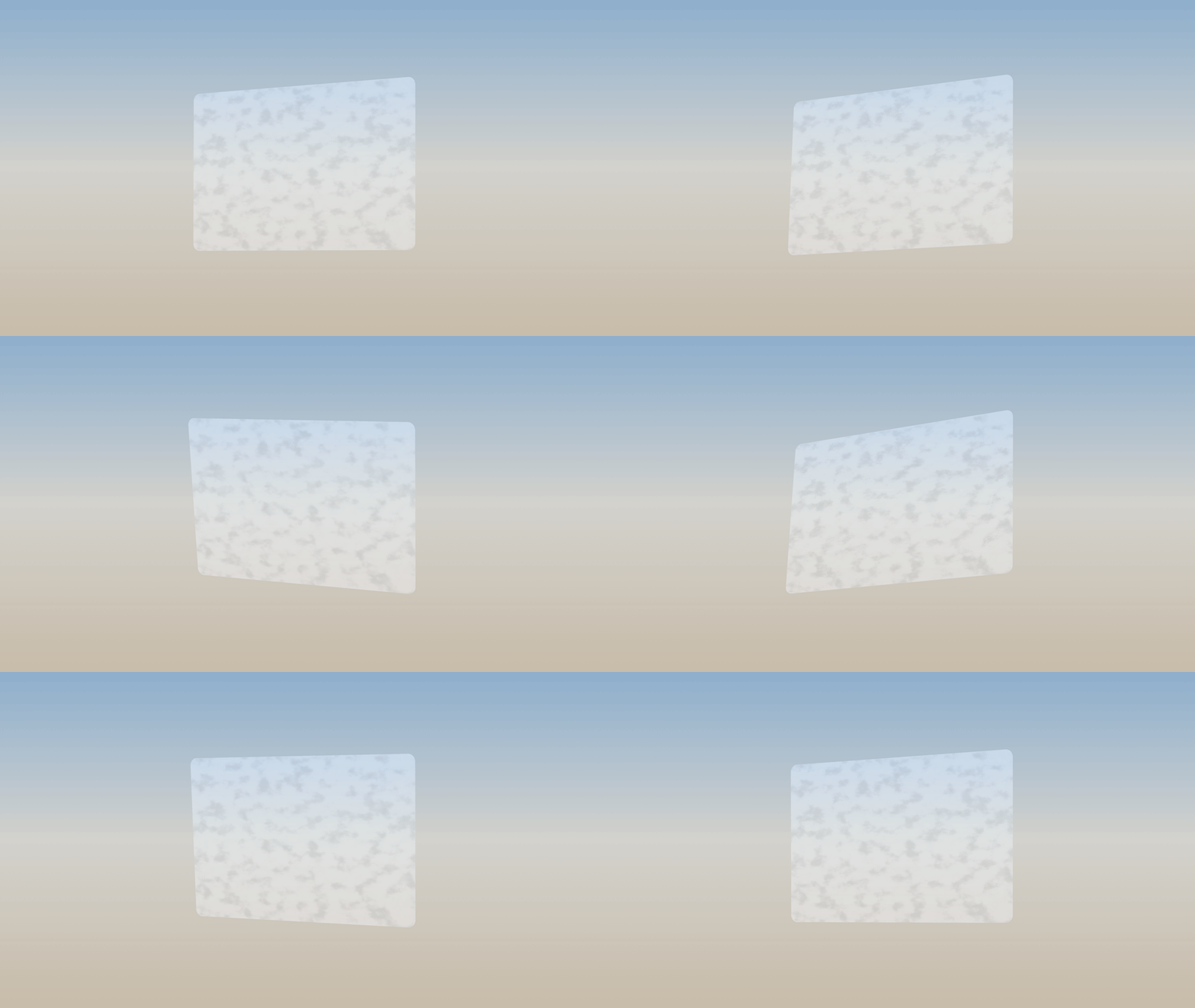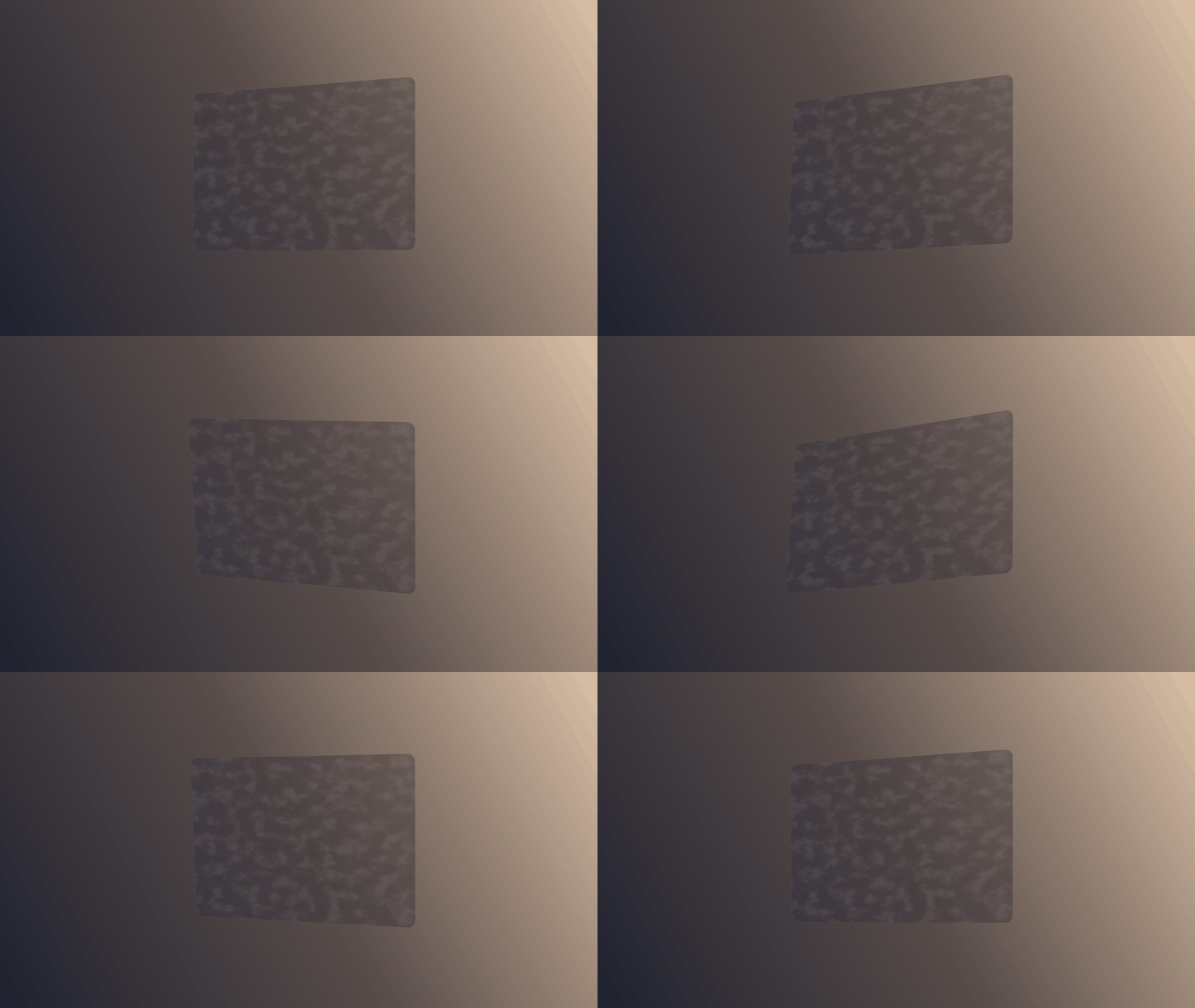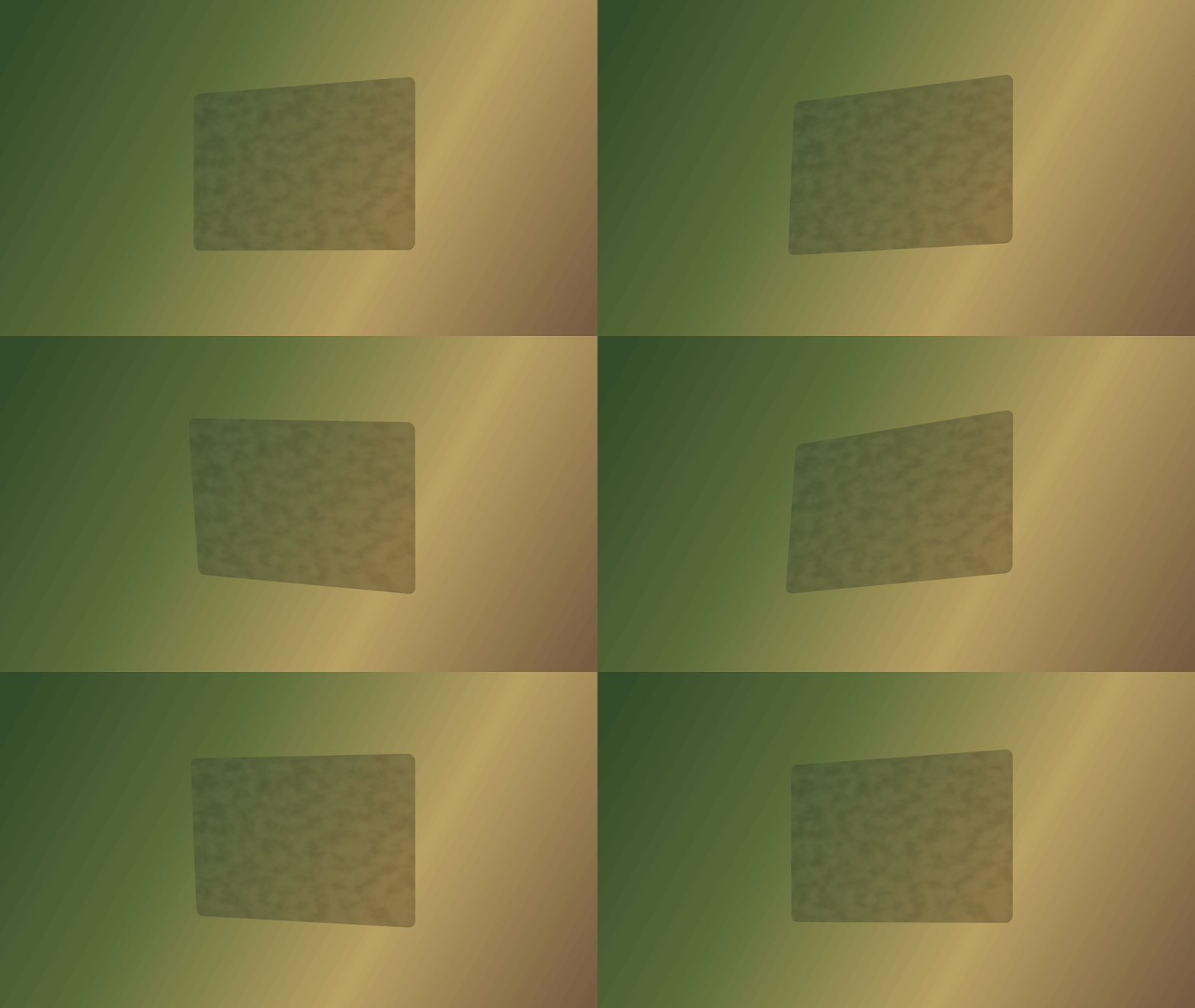


Washi extends SwiftUI's system materials toward the handmade. Where .thinMaterial and its siblings supply a glass-like blur, Washi supplies a sheet, a real surface with a finite number of fibers laid down by a CPU simulation of nagashizuki, the flowing technique in which kozo fibers are suspended in viscous water and worked across a bamboo screen until the formation cloud (kumo) settles into a structured weave. Each surface in an app carries a stable identity, so the same panel always renders the same simulated sheet: the paper feels remembered rather than refreshed. Three weights — thin, standard, and thick — control both the simulation parameters and the system blur beneath, allowing the material to read as one substance varying in heft rather than as three unrelated overlays, and a final Metal shader composites surface, warmth, and device tilt across the result.
The package was developed alongside a tuning environment, WashiExplorer, a macOS app that inspects the simulation in a 4×3 grid of rendering tiers and weights, with real-time parameter sliders and a 3D exploded-layer view that pulls the Metal compositing apart. Washi is the constitutive substrate of Threshold, Moon’s agent interface, where the Director composes on a sheet and each submitted message seals into the scroll above as its own discrete sheet— an interface that asks the user not to operate a screen, but to lay marks on a casting medium.
Washi is open source under MIT. Download WashiExplorer here.